.gif)

Download Mobile App 






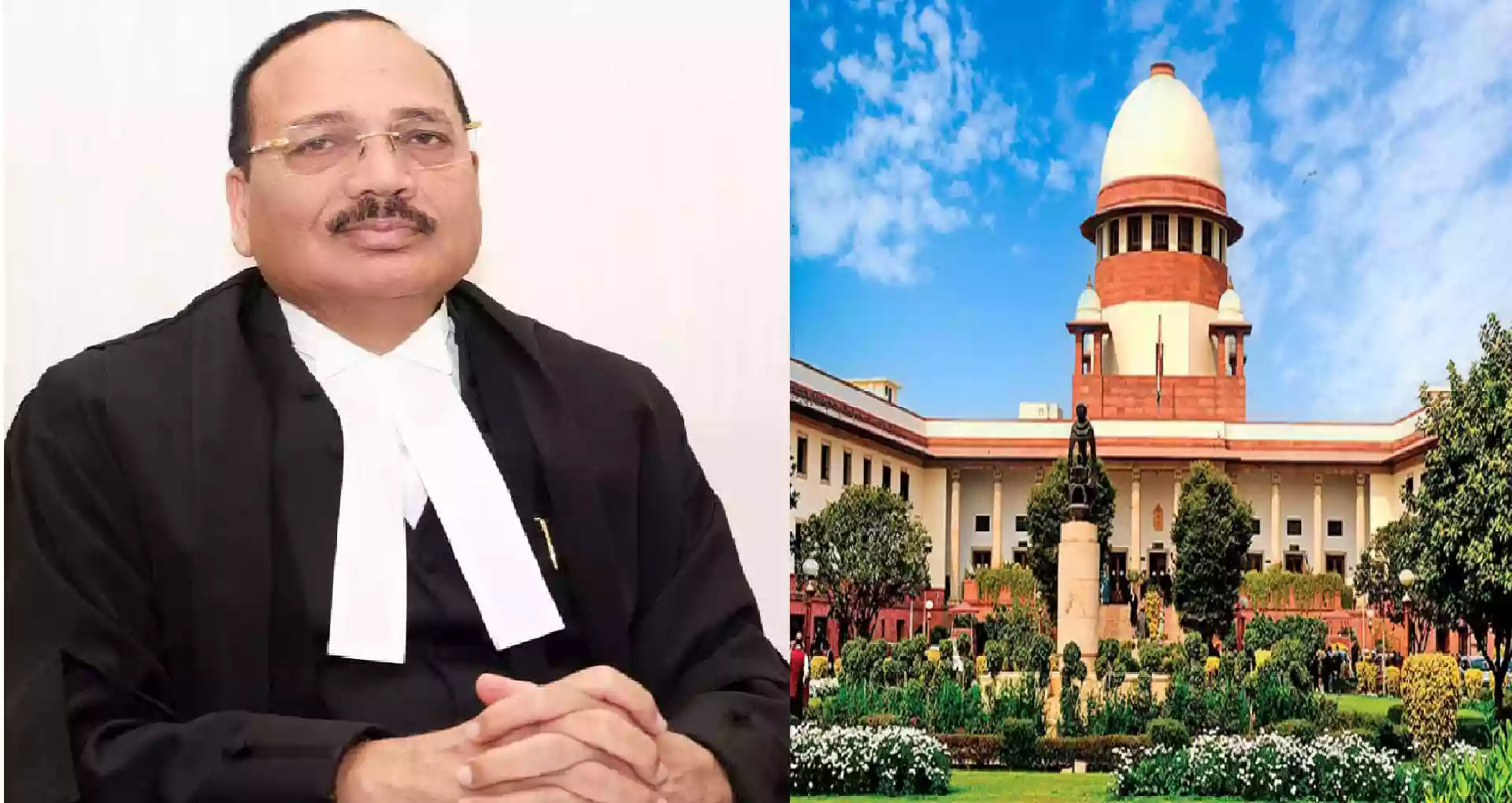
In a courtroom packed with tension and high stakes, the Supreme Court of India dropped a bombshell today over its handling of Rohingya migrants with pointed questions that cut straight to the heart of national security and compassion. Hearing a habeas corpus petition alleging the disappearance of detained Rohingyas in Delhi, a bench led by Chief Justice Surya Kant and Justice Joymalya Bagchi says: "Where is the government order declaring them refugees?" the CJI asked sharply, reminding everyone that "refugee" isn't just a feel-good label—it's a legal status doled out by specific authorities.
The case, Rita Manchanda vs Union of India, spotlighted how five Rohingyas were allegedly picked up by police in May without a trace, sparking fears of secret detentions and hasty deportations. But the bench made it crystal clear: if they're intruders slipping across borders, does India owe them a "red carpet welcome" with food, shelter, and school for their kids? The petitioner's lawyer, Ujjwal Nikam insisting no refugee status was being demanded, just a fair shake under the law for any deportation. Drawing from a 2020 Supreme Court ruling in the Salimullah case, he stressed that sending them back must follow the government's own playbook to avoid ugly pitfalls like human trafficking, which could boomerang on national security. Solicitor General Tushar Mehta pushed back hard, calling it a public interest litigation filed by an outsider, not the affected families, questioning the lawyer's standing to speak for them.
Yet the court leaned in, acknowledging that even illegal entrants deserve basic humanity but drawing a firm line: "We have our own poor citizens starving for benefits. Why stretch the law for tunnel-diggers and fence-jumpers?" The CJI's words hung heavy, painting a picture of strained resources where every handout to outsiders feels like a slight to those born here. As the hearing wrapped, the bench bundled this case with similar Rohingya pleas, promising deeper dives but no quick fixes, from tracking detainees to enforcing borders without cruelty. It's a pivotal moment in the country as over 40,000 Rohingyas have fled Myanmar's horrors since 2017, landing India often in the shadows.







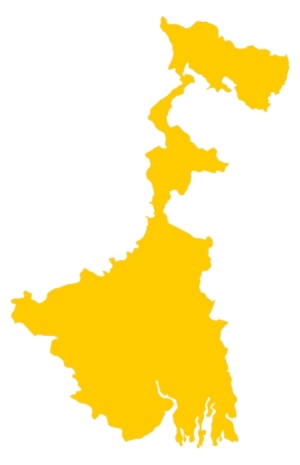 West Bengal
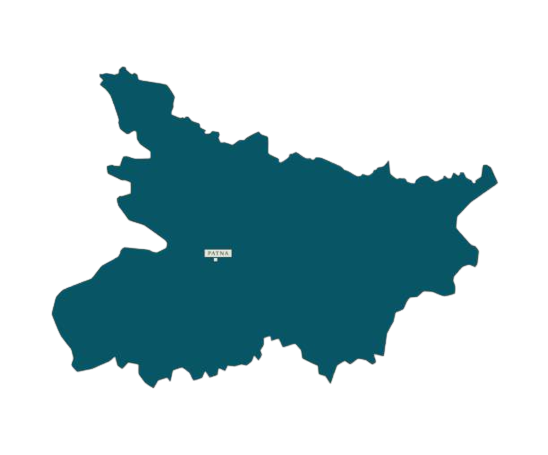 Bihar
Bihar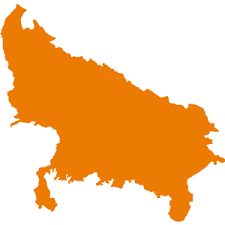 Uttar Pradesh
 Jharkhand